
Published · By Sheerdds
Butyrate supplements have become one of the more visible gut-health categories, and "butyrate supplement" and "sodium butyrate supplement" are both searched thousands of times a month in the United States. For brands, sodium butyrate is an interesting but awkward ingredient: it is inexpensive and well defined, yet it smells strongly and is absorbed early in the digestive tract. This guide explains what butyrate is and why coated pellets are a common way to formulate it.
What is butyrate?
Butyrate is the salt form of butyric acid, a short-chain fatty acid with four carbon atoms. In the body, most butyrate is produced in the colon when gut bacteria ferment dietary fibre and resistant starch. It is well established in nutrition science as a major energy source for the cells lining the colon, called colonocytes. Small amounts are also present in foods such as butter and some cheeses.
Because of this role, butyrate is widely studied in gut-health research. Brands should treat that research carefully: much of it is preclinical or uses specific populations, so finished-product claims should stay within the structure/function language allowed in each market.
Forms of butyrate supplements
- Sodium butyrate: the sodium salt of butyric acid; a white powder with a strong, unpleasant odour, and the most common form in supplements and feed.
- Calcium and magnesium butyrate: mineral salts that some brands use to reduce sodium or combine minerals in one ingredient.
- Tributyrin: a triglyceride that carries three butyric acid units on a glycerol backbone; it is released by digestive enzymes and has a milder odour.
Each form has trade-offs in odour, cost, and how much butyrate it delivers per gram. Sodium butyrate remains the workhorse because it is simple, well characterised, and cost-effective, provided the odour and release problems are solved in the formula.
Why sodium butyrate needs a delivery system
Uncoated sodium butyrate dissolves quickly and is largely absorbed in the upper digestive tract. If the goal of a product is to deliver butyrate further along the gut, the ingredient needs protection. There is also a practical problem: the odour of free sodium butyrate makes capsules, bottles, and production rooms smell, which consumers notice immediately.
Coating solves both issues. Enteric or functional coatings keep the ingredient intact in stomach acid and control where it releases, while also containing the odour. This is where multi-unit pellet technology is useful.
How sodium butyrate micro pellets work
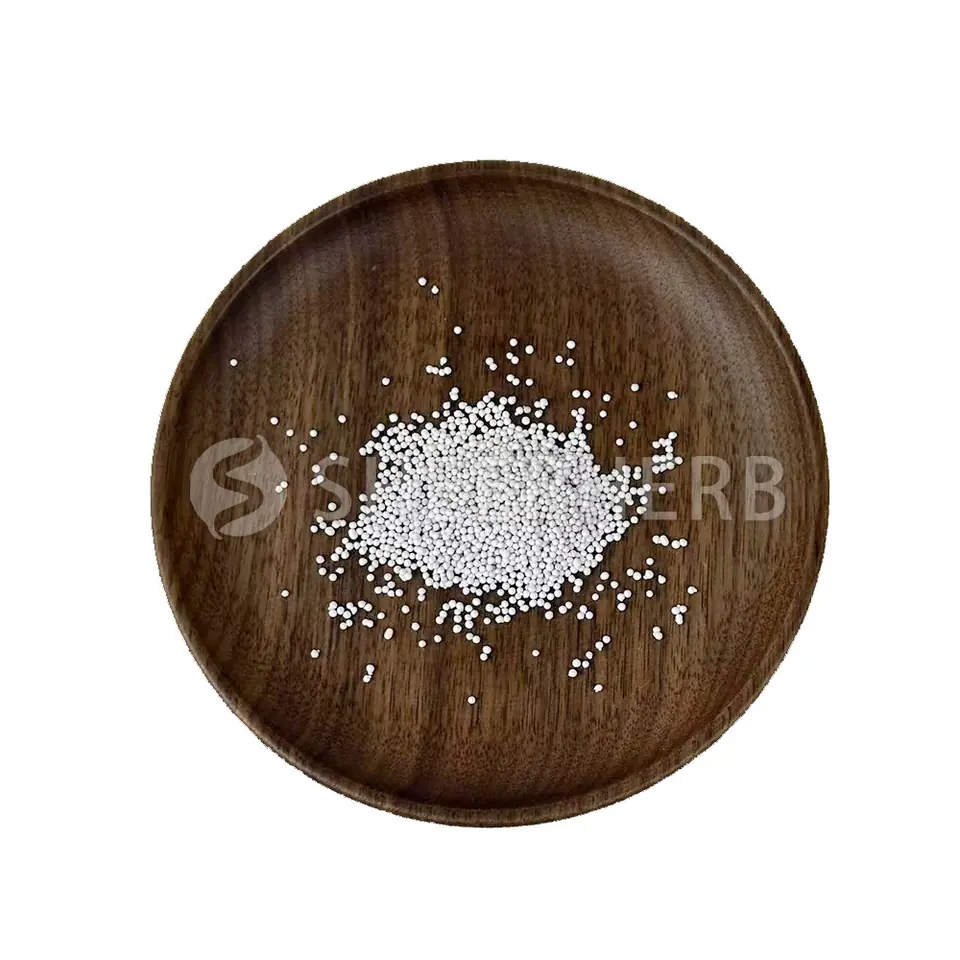
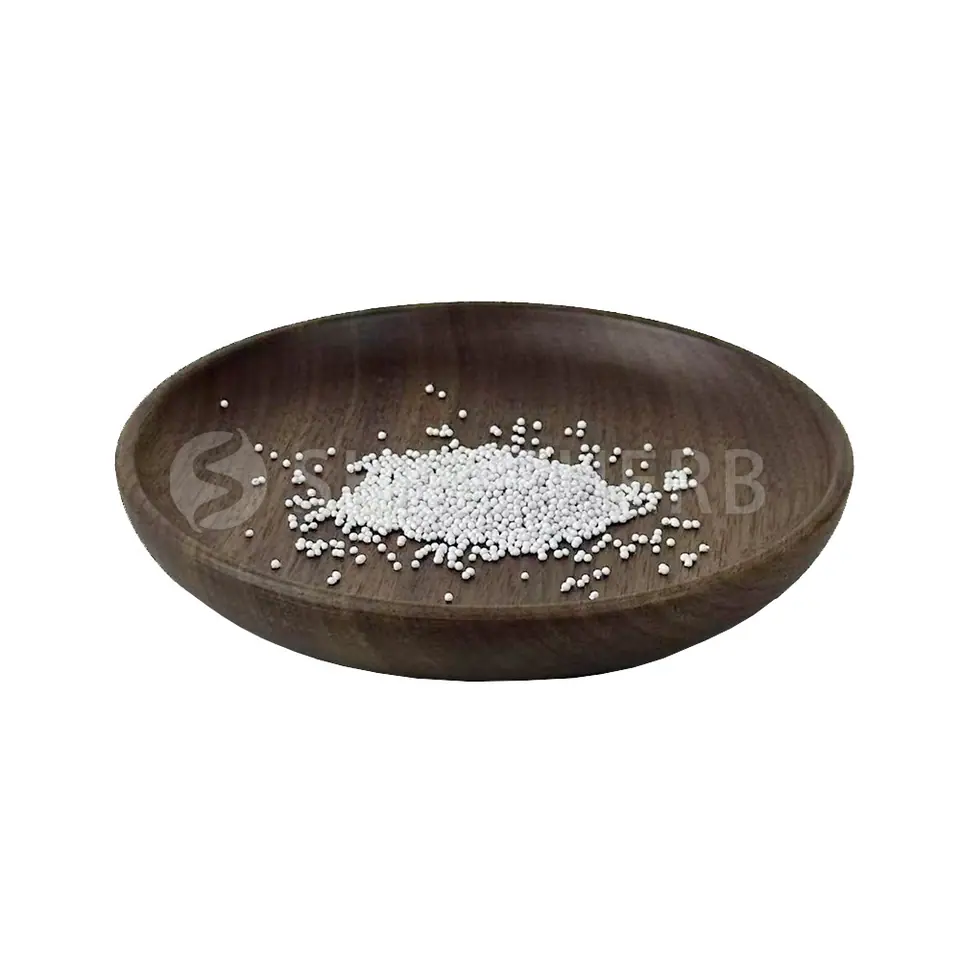
Our sodium butyrate micro pellets are small spherical pellets with an enteric coating applied by fluidized bed coating. According to the product page, the specifications are:
- Appearance: white to off-white spherical pellets, with pellet size of 0.5–2.0 mm (customizable).
- Sodium butyrate content: at least 98% assay, with loss on drying below 5%.
- Release design: less than 10% release in simulated stomach conditions and more than 80% release in the colon.
- Registration support: COA, specification sheet, stability data, and nutritional panel; heavy metals described as compliant with USP/EP standards.
Because pellets are multi-unit, a capsule contains many small coated units rather than one large tablet. The general advantages of this approach, such as more uniform transit and lower risk from a single coating defect, are explained on our sustained-release pellets and pellet technologies pages.
Formulating a sodium butyrate supplement
- Capsules are the most common format; check the fill weight against the pellet assay and the capsule size you plan to use.
- Avoid crushing or milling coated pellets, which would break the coating and release odour early.
- Pellets can be combined with other pellets, such as multivitamin pellets, in the same capsule for multi-ingredient formulas.
- Use well-sealed bottles or blisters with desiccant and run your own stability test on the finished product.
- Declare sodium content on the label where required, because sodium butyrate contributes sodium.
What to check when sourcing sodium butyrate pellets
Ask suppliers for the assay method, dissolution or release test conditions and results, pellet size distribution, residual solvents if relevant, heavy metals, microbiology, and stability data. Confirm whether the release data were measured on the lot you are buying and in which test media. For custom projects, discuss coating type, target release profile, and pellet size early, because they affect capsule size and cost.
Butyrate supplements vs fibre and prebiotics
Because gut bacteria make butyrate from fibre, brands often ask whether a butyrate supplement or a prebiotic fibre is the better product concept. They are different approaches. A prebiotic relies on the consumer's own gut bacteria to ferment it, so the amount of butyrate produced varies from person to person. A sodium butyrate supplement supplies the compound directly in a defined dose. Some brands combine both, pairing butyrate pellets with fibre or probiotics in one product. When you design a combination, check that the pellets and the other ingredients are compatible and that the capsule size stays practical.
Odour control in production
Even with coated pellets, production teams should plan for odour. Keep pellets in sealed liners until use, handle them in a ventilated area, and clean filling equipment promptly. Check finished bottles for odour after storage as part of the stability programme, because odour is often the first thing consumers notice.
Market demand for butyrate supplements
US search data shows how established this category has become: "butyrate supplement" is searched about 4,400 times a month, "sodium butyrate" about 2,900 times, and "sodium butyrate supplement" about 1,900 times. Much of the remaining interest is informational, such as "what is butyrate" and "butyrate foods", which shows that consumers are still learning about the ingredient. Clear education on the label and website therefore helps a new brand stand out.
Frequently asked questions about sodium butyrate supplements
Q1: What is butyrate in simple terms?
Butyrate is a short-chain fatty acid that gut bacteria produce when they ferment fibre. It is a major fuel for the cells lining the colon. Supplements usually supply it as sodium butyrate or tributyrin.
Q2: Why are sodium butyrate supplements coated?
Coating protects the ingredient from stomach acid so it can be released further along the gut, and it contains the strong odour of sodium butyrate. Enteric-coated pellets are a common way to do both.
Q3: What is the difference between sodium butyrate and tributyrin?
Sodium butyrate is a salt that releases butyrate when it dissolves. Tributyrin is a triglyceride whose butyrate units are released by digestive enzymes. They differ in odour, cost, and butyrate content per gram.
Q4: Can you customize pellet size and coating?
Yes. Our standard pellet size is 0.5–2.0 mm and can be customized, and we can discuss coating and release profile for OEM and ODM projects.
Q5: Do you supply sodium butyrate pellets in bulk?
Yes. We supply bulk sodium butyrate micro pellets to supplement brands, contract manufacturers, and distributors, with COA and registration documents. Request a quote.
Request sodium butyrate pellet samples
Send us your target dose, capsule size, quantity, and destination market, and we will reply with the COA, specification sheet, and lead time. Get a quote for sodium butyrate micro pellets.
These statements have not been evaluated by the Food and Drug Administration. Products made with these ingredients are not intended to diagnose, treat, cure, or prevent any disease.